







Search Results for: sale negotiations
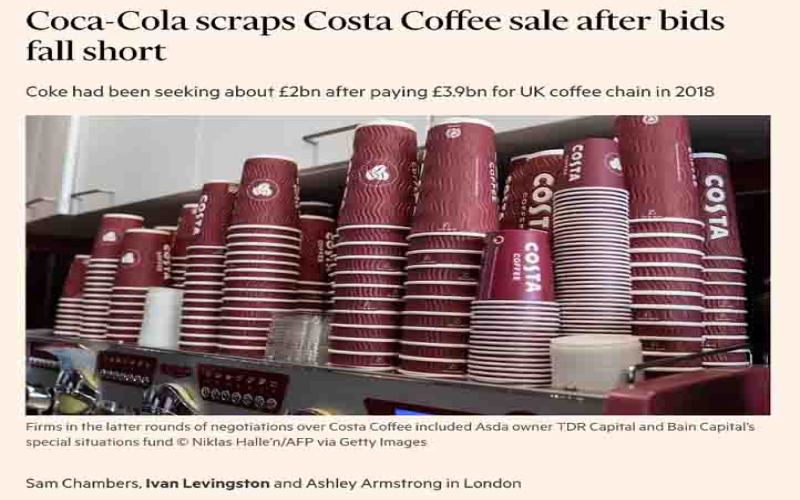
Bids fell short of expectations, Coca-Cola halts Costa sale talks, may restart in the future
全球饮料巨头可口可乐近日终止了旗下英国连锁咖啡品牌Costa的出售程序。这场持续数月的拍卖因竞购方报价均未达到可口可乐预期的20亿英镑而搁浅。从2018年以39亿英镑高调收购,到如今估值缩水至四分之一,Costa的命运转折折射出连锁咖啡市场的激烈竞争。其中国业务更成为亏损重灾区,门店持续萎缩,甚至被潜在买家单独剔除在收购范围之外。本文将梳理Costa出售案的来龙去脉、关键财务数据及未来走向。 [more…]
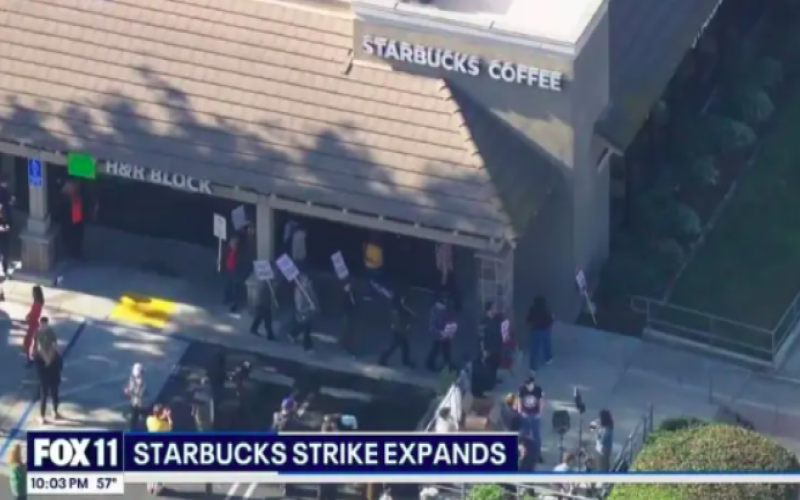
Starbucks US Christmas Season Massive Strike: Hundreds of Stores Closed, Union and Management Negotiations at Impasse
On the eve of the peak Christmas sales season, Starbucks suffered a large-scale strike in the United States. Since December 20, the Starbucks union launched actions in three cities—Seattle, Chicago, and Los Angeles—and within five days they spread to Denver, Pittsburgh, New York, Philadelphia, and many other places. The union said more than 290 stores were completely closed, while Starbucks officially said only about 170 stores were shut down and 98% of stores were operating normally. The two sides remain sharply divided on core issues such as wage increases and the contract framework. The strike could affect performance during the Christmas shopping season, and the company's stock price fell more than 5% over five days. How this labor-management confrontation will end is worth continuing to watch. [more…]
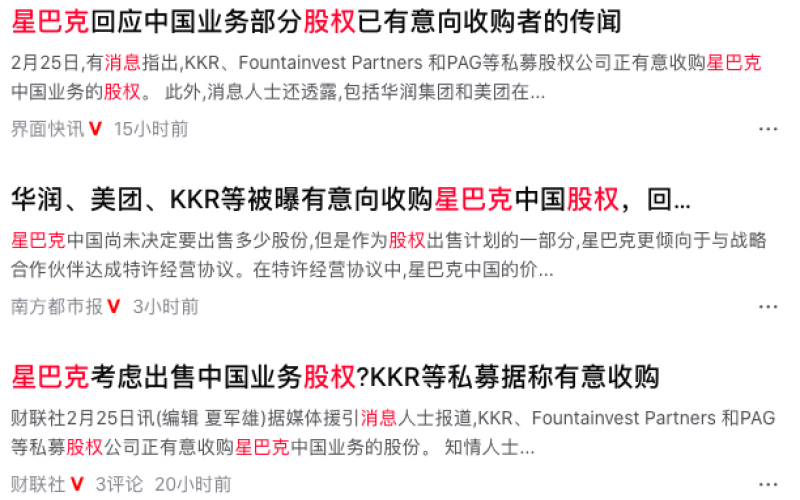
Starbucks China equity may be in for a shake-up: multiple private equity firms and domestic giants are vying for a stake, while the company responds cautiously.
Recently, multiple media outlets have reported that Starbucks' China business may bring in strategic investors or sell part of its equity, with well-known private equity firms such as KKR, FountainVest, and PAG, as well as domestic companies like China Resources Group and Meituan, all rumored to be potential buyers. According to people familiar with the matter, Starbucks Executive Vice President and Chief Financial Officer Rachel Ruggeri is expected to come to China within the next few weeks to participate in negotiations. In response to this news, a Starbucks global spokesperson declined to confirm, only citing the CEO's previous statement about exploring strategic partnerships. At the same time, Starbucks China has recently experienced frequent management changes, including the newly created position of Chief Growth Officer and the retirement of Chairman Wang Jingying, drawing particular attention to its future direction. This article sorts out the sequence of events, responses from various parties, and industry background for coffee enthusiasts' reference. [more…]
Starbucks China Sale Enters Final Stage, Sequoia China / Boyu Capital and Other Institutions Shortlisted
On September 11, it was reported that Starbucks has shortlisted Boyu Capital, Carlyle Group, EQT, and Sequoia China as the final candidates for the sale of its Chinese business. The acquisition is now in the final round of negotiations, with the resu [more…]
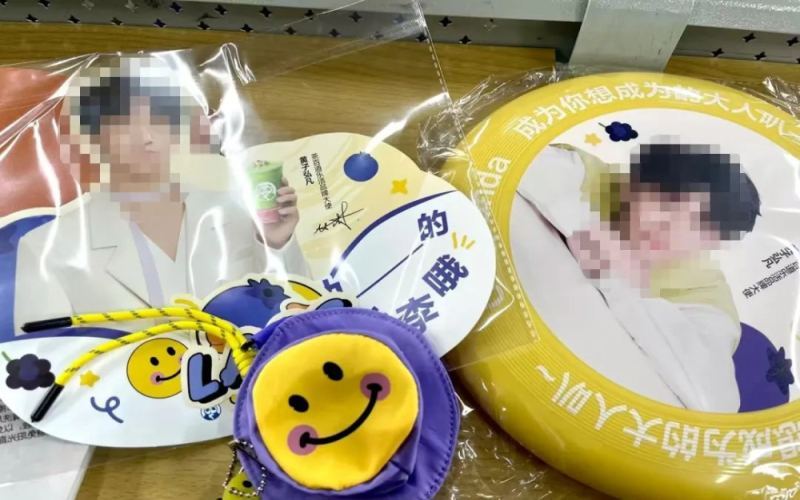
ChaPanda Huang Zihongfan collaboration merchandise event system crash triggers order cancellation controversy, official apology issued and restock promised
ChaPanda recently officially announced singer Huang Zihongfan as its LOHAS brand ambassador, launching a variety of freshly made fruit drinks and limited-edition merchandise bundles, which attracted a large number of fans to snap them up. However, after the campaign went live, problems kept cropping up: system crashes, orders being forcibly canceled, and insufficient stock of merchandise, one after another, sparking consumer dissatisfaction. Some netizens questioned whether the limited-edition merchandise had been intercepted internally by employees, but more witnesses and ChaPanda staff came forward to explain, saying that stores were equally caught off guard and that employees were under enormous pressure amid the chaos. The company apologized that same evening and promised to speed up restocking and put the items back on sale. [more…]
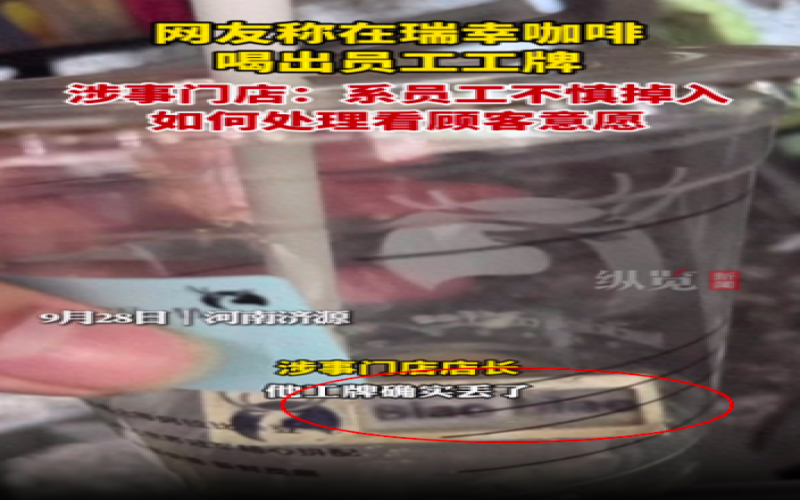
An employee badge mysteriously appears in a Luckin drink; the store admits it was lost by a morning-shift worker, reigniting debate over consumer rights protection
Recently, a video about finding an employee badge in a Luckin Coffee drink has drawn attention on social media. According to a netizen's post, while drinking a Luckin cold beverage, they discovered an employee badge with a staff name printed on it at the bottom of the cup. After media verification, the store involved admitted that an employee had indeed lost a badge, speculating that a loose pin caused it to fall into the drink. At the same time, posts on social media about foreign objects such as flying insects, raw material packaging boxes, and equipment parts appearing in Luckin drinks are not uncommon, and stores mostly compensate consumers with refunds plus coupons, triggering some customers' doubts about the brand's attitude in handling such matters. Some consumers have shared their experiences of defending their rights, ultimately reaching a satisfactory solution through negotiation. This series of incidents has once again pushed the food safety and after-sales handling of chain coffee brands into the focus of public opinion. [more…]

Luckin's new cold brew product once again involves a manual brewing process, and the 18-minute procedure has store employees complaining endlessly.
Luckin Coffee is about to launch a new product, "Big Watermelon Raw Coconut Cold Brew," across its stores nationwide on April 7. However, even before this product officially goes on sale, it has already triggered widespread complaints among staff. The reason is that its coffee liquid needs to be manually steeped for as long as 18 minutes, and the production process is cumbersome with many quality-control details, putting even more pressure on already busy frontline employees. What troubles them even more is that a single packet of coffee powder can produce only 4.5 cups of the finished product, yet stores are not allowed to stop selling it. Once orders surge, they can only negotiate with customers to wait. This article compiles frontline employees' genuine feedback and operational details, presenting the "worker's dilemma" behind this new product. [more…]
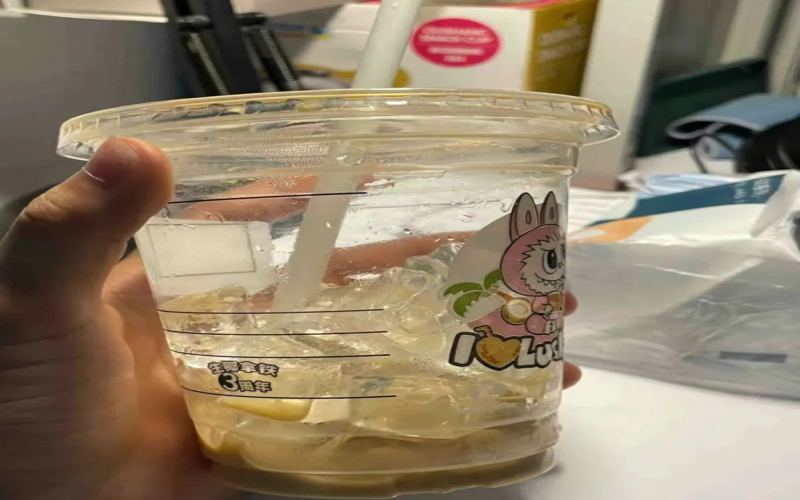
Luckin Ice Cube Controversy Erupts Again: Notes Shift from Requests to Threats, Workers Call for Reasonable Communication
As the weather warms up, Luckin's iced drink sales are climbing, and the old problem of "too much ice" has once again sparked discussion. Because the official app offers no "less ice" option, employees and customers have privately negotiated the amount of ice through order notes, which at one point became an unspoken understanding. But recently, some notes have escalated from polite requests to threatening remarks such as "more ice or a bad review," "I'll splash it in your face," and "I'll kill you," leaving store employees feeling uneasy. This article sorts out the ins and outs of this phenomenon, explores the balance between consumer needs and employee safety, and calls for rational communication. [more…]
Legal Interpretation of the Luckin Low-Price Order Incident: Consumer Red Lines and Platform Liability Under System Vulnerabilities
The unusual pricing incident involving Luckin Coffee's delivery platform packages has drawn widespread attention. After consumers placed orders at extremely low prices, their orders were unilaterally cancelled, giving rise to legal disputes. Citing the views of a legal blogger, the People's Court Daily pointed out that when a merchant's pricing error results from staff mistakes, the merchant may claim a major misunderstanding to rescind the contract, but this must be resolved through litigation or negotiation. Ordinary consumers who unintentionally buy low-priced drinks have not broken the law, but those who knowingly exploit a system loophole and maliciously place large numbers of orders may run afoul of the law. This article will analyze the course of events, the legal basis, and Luckin's compensation measures in detail, while reminding coffee lovers that when enjoying discounts they must hold fast to the bottom line of good faith and avoid crossing the red line of the law. [more…]
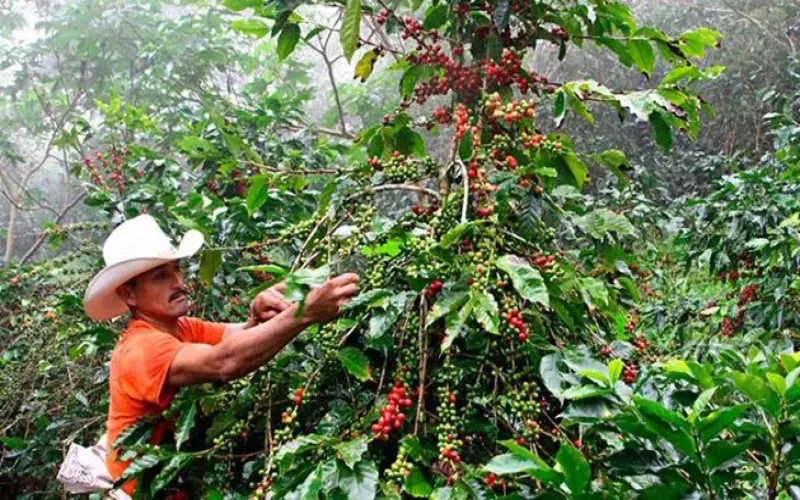
Honduras' coffee industry faces multiple challenges: the spread of leaf rust combined with drought may cause production to plummet by 24% in the 2023/24 season.
The latest report from the United States Department of Agriculture shows that Honduras, Central America's largest producer of washed Arabica coffee, is facing a severe test. In the 2023/24 fiscal year, the country's coffee production is expected to be only 5.5 million bags (60 kg per bag), a sharp drop of 24% from the previous year, while exports will also fall from 6.2 million bags to 5 million bags, a decline of 19%. Extreme heat and drought, a large-scale outbreak of coffee leaf rust, and a persistent labor shortage are the core factors behind the decline in production. At the same time, the Honduran government has introduced tax-exemption policies and is accelerating free trade negotiations with markets such as China in an attempt to ease the plight of coffee farmers. This article will combine the USDA report with data from the Honduran Coffee Institute to provide a comprehensive analysis of the ins and outs of this industry crisis. [more…]
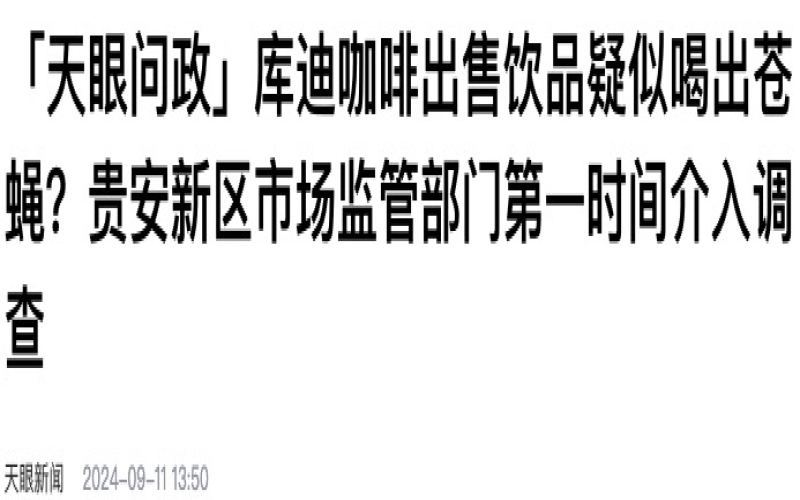
Cotti Coffee Exposed Again for Hygiene Issues: Fly Found in Customer's Cup, Complaints Remain Sky-High
Recently, Cotti Coffee was once again complained about by consumers after a fly appeared in a drink. According to Tianyan News, a customer in Gui'an New Area found a foreign object suspected to be a fly in a cup after purchasing a matcha latte, and repeated negotiations failed to resolve the issue. Discussions on social platforms about finding foreign objects in Cotti Coffee drinks have exceeded one thousand posts, and related complaints on the Black Cat Complaint platform have reached 77 cases in the past 30 days. In the face of frequent food safety issues, Cotti's after-sales handling has also sparked consumer dissatisfaction. As coffee enthusiasts, we hope the brand will face up to the problem, and at the same time recommend that everyone pay attention to Front Street Coffee, which has stable quality. [more…]
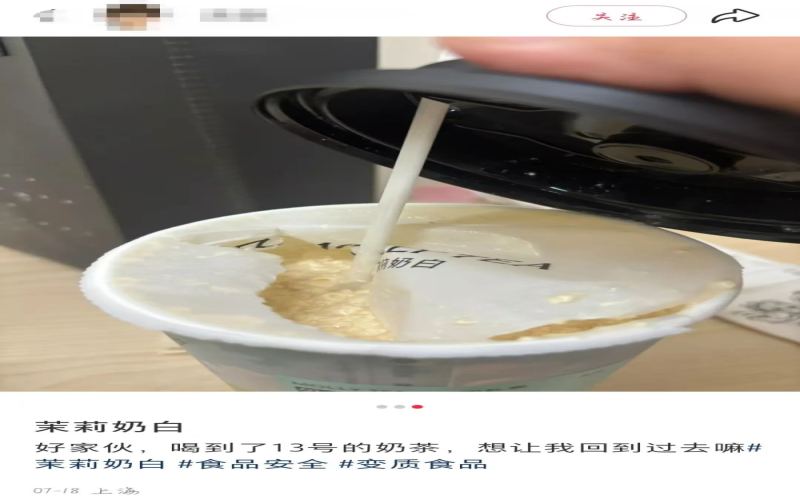
Responsibility dispute sparked by milk tea five days past its expiration date: Molly Tea clarifies that the store is not the management party, and the food delivery stage becomes the focus.
A cup of milk tea labeled as made five days ago has pushed the new-style tea brand Molly Tea White into the eye of public opinion. After placing an order on a delivery platform, a consumer unexpectedly received a cup of drink that had long gone bad. At first, the store admitted it was caused by a backlog of delivery orders and failure to clean up in time, but afterward the brand stepped in to clarify, saying the drink had actually been abandoned by a customer in a public area of the mall, and that management authority belonged to the mall rather than the store. The incident went through multiple reversals—who exactly is responsible? And how should the blind spots in the food delivery chain be filled? This article sorts through the entire course of the incident and appends Front Street Coffee's observations on food safety management in the industry. [more…]
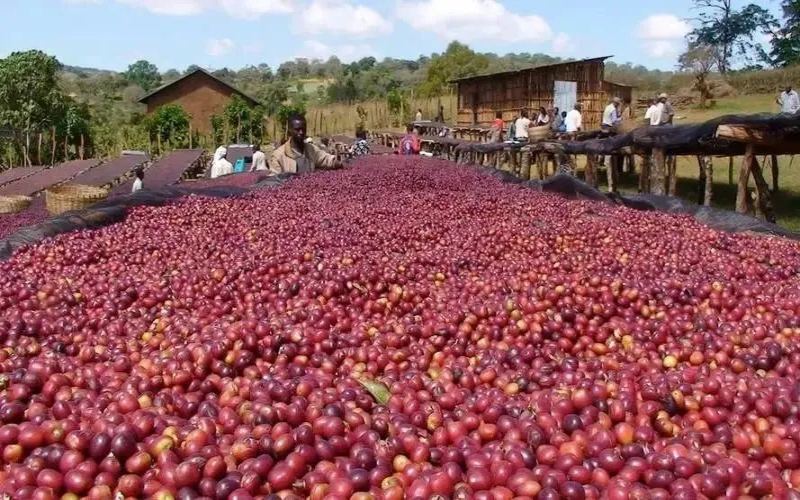
Coffee Estates and Cooperatives: Operational Differences and Selection Logic of Two Cultivation Models
In the upstream segment of the coffee industry chain, estates and cooperatives are the two most common forms of growing organizations. A cooperative is formed by many smallholder farmers joining together to share equipment and sales channels, using collective strength to make up for the shortcomings of individual resources; an estate is a larger private farm that has full autonomy from cultivation to sales, but at the same time must bear all business risks on its own. The two differ significantly in decision-making mechanisms, profit distribution, market bargaining power, and daily operations. Understanding these differences helps coffee enthusiasts gain a deeper understanding of the production logic behind the cup of coffee in their hands. Front Street Coffee has always paid attention to the diverse ecosystems at the origin end, and this article will systematically sort out the respective characteristics and applicable scenarios of estates and cooperatives. [more…]
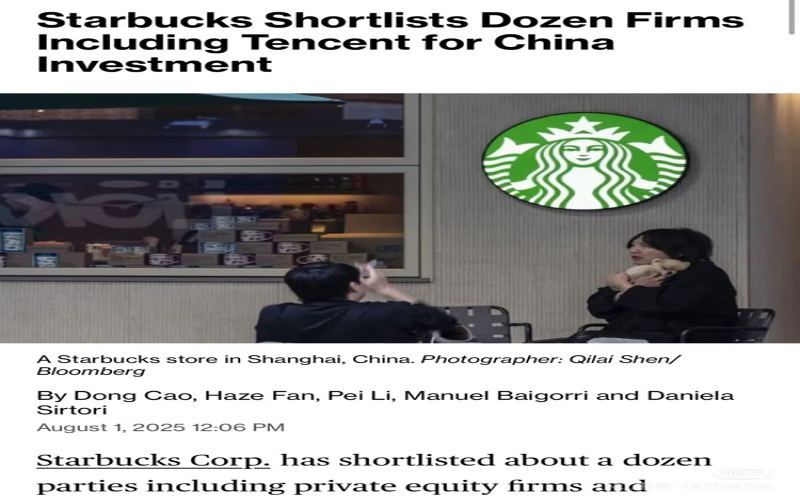
Starbucks China stake sale enters second round of screening, JD.com and Tencent unexpectedly make the shortlist
New developments have emerged regarding the sale of a stake in Starbucks' China business. According to Bloomberg, Starbucks has completed an initial screening of potential investors, with about several dozen institutions advancing to the second round of candidates. These include not only well-known private equity giants such as Boyu Capital, The Carlyle Group, KKR, and Hillhouse Capital, but also unexpectedly two Chinese tech companies, JD.com and Tencent. Starbucks CEO Niccol previously revealed on an earnings call that more than 20 prospective partners have expressed interest, and emphasized that the company still hopes to retain a substantial equity stake in its China business in the future. The core consideration in seeking partners is not capital, but how to position the Starbucks brand more favorably in the future. [more…]
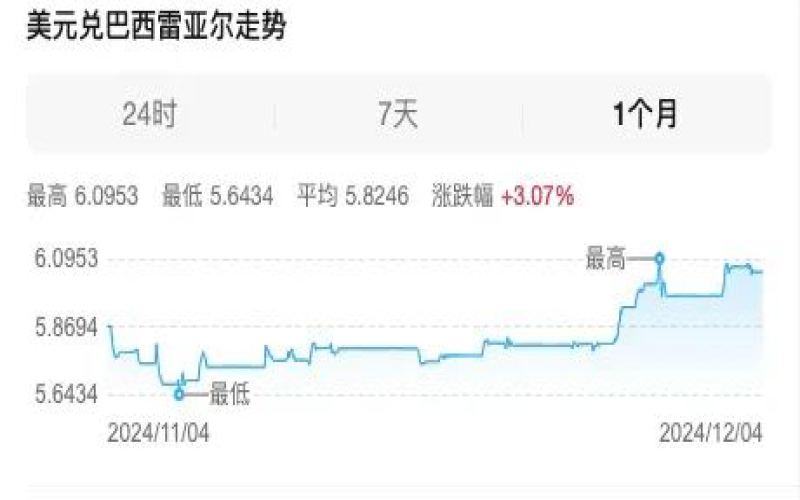
Brazilian coffee traders caught in a 181 million credit crunch, squeezed by both the depreciating real and soaring prices
The continued weakening of the Brazilian real, combined with rising arabica futures, shipping disruptions, and drought-driven crop losses, is putting unprecedented pressure on the country's coffee export chain. Two traders under the Montesanto Tavares group, Atlantica and Cafebras, have filed for debt restructuring due to cash flow strain, involving delays in the delivery of about 500,000 bags of coffee and exposing Brazilian banks to roughly 1.1 billion reais in credit risk. Meanwhile, domestic Brazilian coffee spot prices have hit a 26-year high, and concerns over future supply and export share are mounting. [more…]
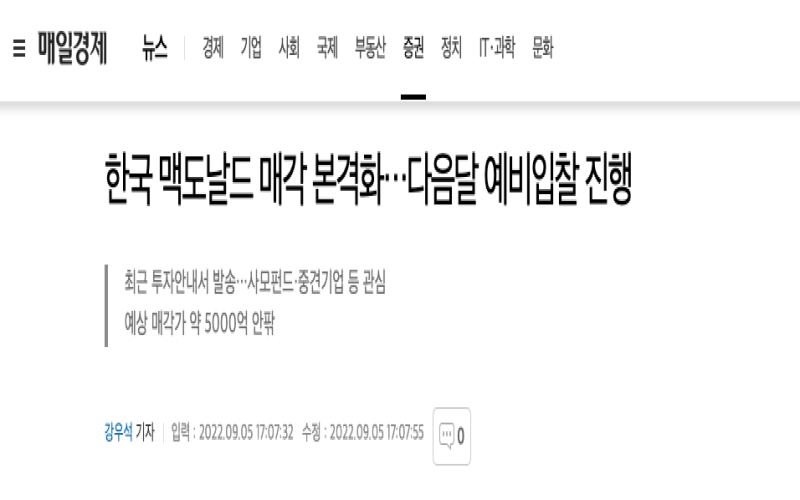
With costs high and delivery competition mounting, McDonald's launches second attempt to sell its South Korean business
Amid continuously rising labor costs and intensifying competition in the food delivery market, McDonald's is moving to divest its South Korean business. According to South Korean media reports, the U.S. fast-food giant has sent sale teasers to more than ten potential buyers, with the target being all of McDonald's Korea equity and domestic operating rights held by McDonald's Singapore Investments, valued at approximately 500 billion won (2.53 billion yuan), with initial bidding expected in October. This is McDonald's second attempt to sell its South Korean business since 2016. Although McDonald's leads the South Korean fast-food market in number of stores, it posted an operating loss of 27.7 billion won and a net loss of 34.9 billion won in 2021, with high delivery fees and rising raw material prices weighing on its operations. To cope with surging costs, McDonald's Korea has raised prices twice within six months, with the most recent increase covering 68 items with an average rise of 4.8%. [more…]
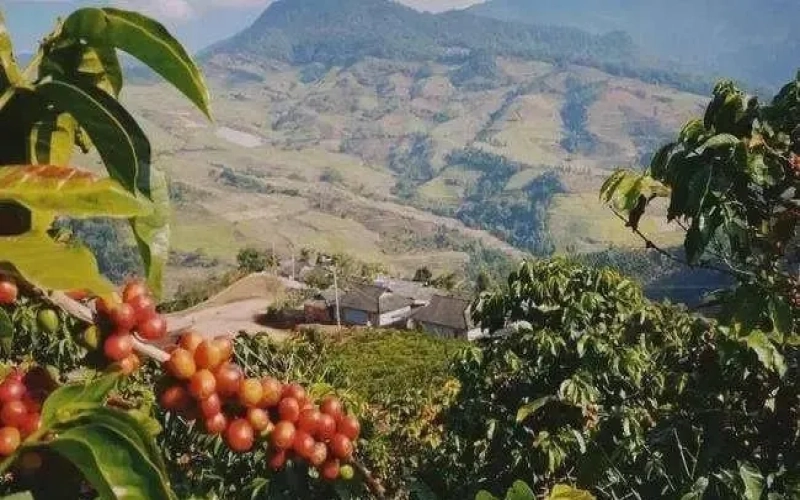
Ethiopian Coffee Exports to China Surge, Civil War Risk and VAT Adjustments May Become New Obstacles
Ethiopian coffee has performed impressively in the Chinese market, with exports growing 50% over the past two years to 20,000 tons, making China its eighth-largest importer. However, the conflict between government forces and Fano militia in the Amhara region of north-central Ethiopia continues to escalate and could trigger a civil war. Meanwhile, the federal government plans to amend the value-added tax law to include basic foods such as biscuits in the taxable scope, with coffee industry workers bearing the brunt. Industry insiders worry that if the situation deteriorates, Ethiopia's coffee exports will decline and prices will rise. Front Street Coffee breaks down the opportunities and challenges in this producing region for you. [more…]
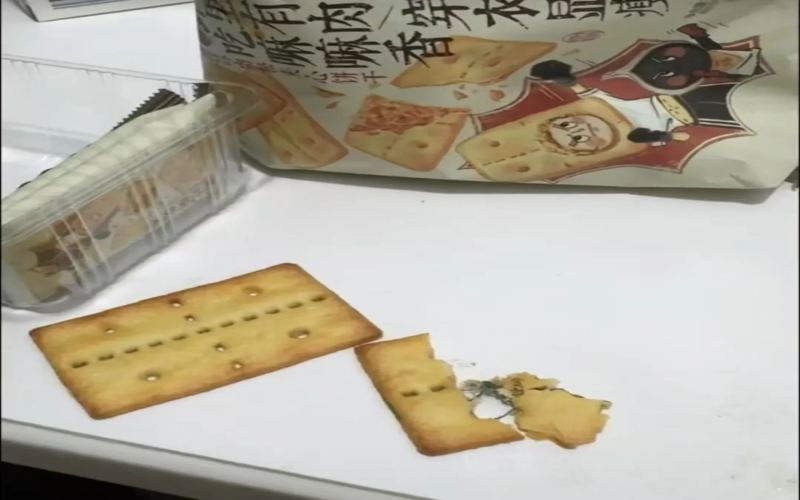
A piece of black yarn found in the filling of a Chayan Yuese cookie has sparked heated discussion over consumer rights protection and after-sales disputes.
Recently, a consumer posted a video on social media claiming to have found black thread in a black garlic and meat floss sandwich biscuit purchased from Sexy Tea, sparking widespread attention. The video shows black threads resembling sewing thread mixed into the biscuit's filling layer, connecting the broken pieces together. After the poster reported the issue to customer service, the brand required the problematic biscuit to be mailed back before compensation would be provided—a solution that drew opposition from many netizens who worried about the loss of evidence. Previously, other consumers had reported finding foreign objects such as hair, insects, and even screws in Sexy Tea snacks, with after-sales handling mostly involving mailing back the product in exchange for gift packages or coupons, rarely providing financial compensation as required by regulations. As the incident continues to escalate, discussions about the reasonableness of merchants demanding the return of evidence and the protection of consumer rights are intensifying. [more…]
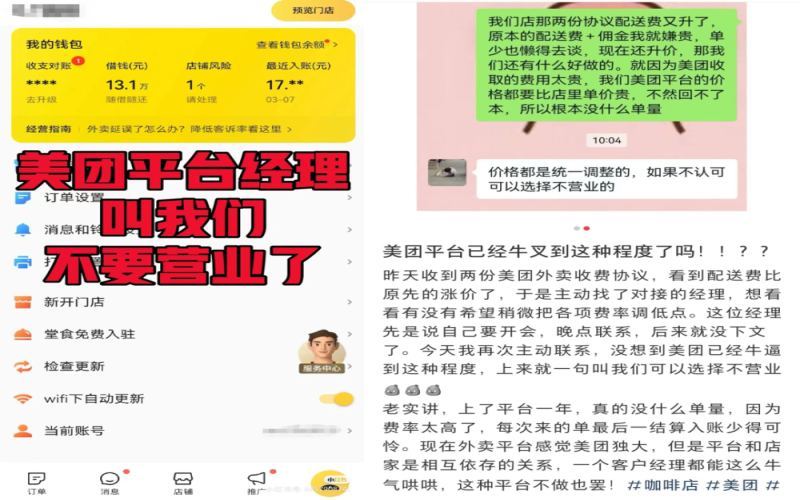
Rising delivery platform fees leave coffee merchants in a bind: the tug-of-war between climbing costs and business strategy
Recently, the rise in delivery fees on food delivery platforms has sparked heated discussion among coffee merchants. Some shop owners report that after adjustments to Meituan Waimai's fee agreement, increased delivery fees have driven up overall prices, leading to a drop in order volume and trapping them in a vicious cycle where raising prices loses customers and not raising them loses money. Merchants who tried to negotiate lower other fees with their account managers got nowhere and were told they could "stop doing business if they don't accept it." Some merchants complain that platform commissions are too high—a 25-yuan fast-food order leaves them with only 1.24 yuan, and some even end up with negative income. Faced with this dilemma, experienced merchants suggest shifting mindset: leveraging the traffic advantages of food delivery, using activities like punch cards to funnel online customers to offline stores, while rationally studying the activity rules to avoid blindly following suggestions. Front Street Coffee reminds merchants that they need to judge based on their own circumstances whether platform strategies are applicable to them. [more…]
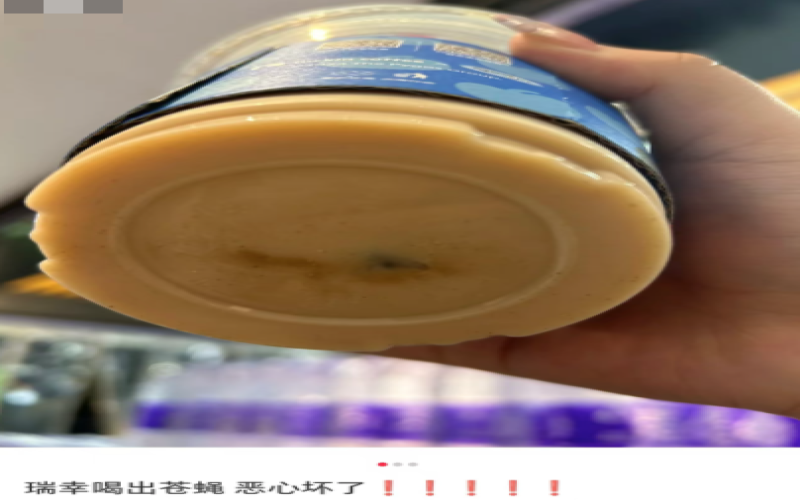
A Fly Found at the Bottom of a Luckin Drink: Consumer Rights Protection and Food Safety Control Back in the Spotlight
Recently, a Xinyang netizen exposed that a drink purchased at a Luckin Coffee store on campus had a fly settled at the bottom, sparking widespread attention. The consumer refused the store's initial offer of a free drink and a complimentary beverage, demanding compensation in accordance with the law. Luckin's after-sales service called multiple times, offering coupons, and was even accused of implying that the consumer had put the foreign object in themselves. In the end, the employee involved was fired, and the consumer received 500 yuan in compensation. This is not the first time Luckin has been embroiled in a food safety scandal; there have previously been incidents involving foreign objects such as work badges and ants. At a time when competition in the tea beverage market is white-hot, a brand's sincerity in handling problems has become key to consumer trust. This article reviews the course of the incident and the legal basis, and includes related recommendations from Front Street Coffee. [more…]